UNESCO World Heritage Site
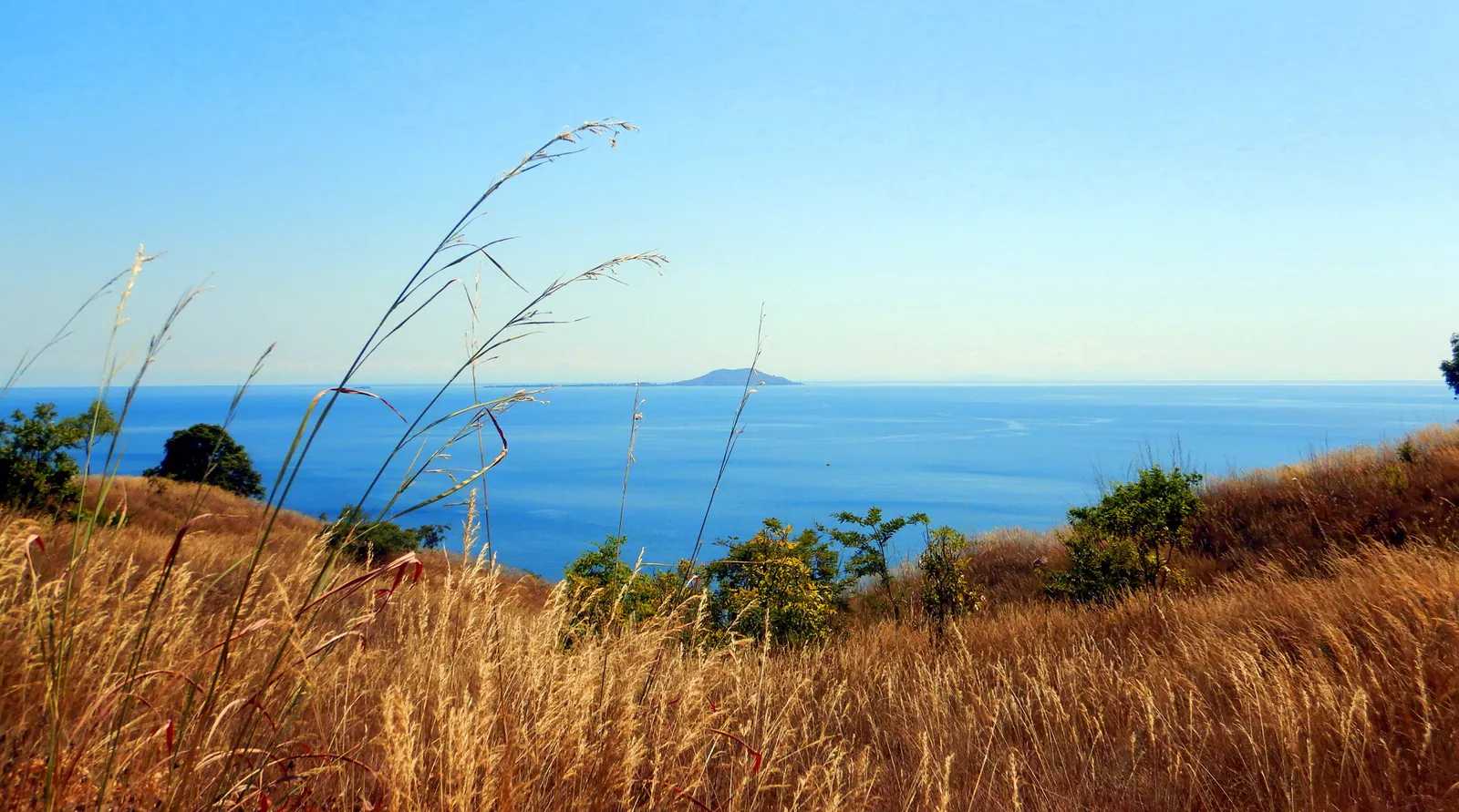
Lake Malawi National Park has been a UNESCO World Heritage Site since 1984, recognised for its fish and for the beauty of the islands, clear water and Rift Valley escarpment.
History
The history of Likoma Island is closely linked with the Church of England. In 1886, Chauncy Maples of the Church of England’s Mission to Central Africa founded a post on Likoma with his friend William Johnson. Nine years later he was named bishop of Likoma, but he never arrived. Eager to return, he underestimated a summer storm and drowned in the lake. Bishop Maples’ grave can still be found in Nkhotakota.
Johnson stayed with the work the two friends had begun and became one of the most valued missionaries in Malawi. For 46 years he travelled the lake by boat preaching the word of God.
His words resonated, and an extraordinary piece of African architecture, Likoma Cathedral, modelled on Winchester Cathedral, was completed in 1911. The Likoma Mission remained the headquarters of the Anglican church in Malawi until after the Second World War.
A UNESCO World Heritage Site since 1984
The must-see sight of the island. Near Mbamba, over 100 years old, and bigger than Winchester. Even if you are not a cathedral person, it leaves people awestruck. Hopefully Vincent the verger will be there for the tour.
Make a day of it: walk to town, visit the cathedral, then eat at the Hunger Clinic in Mbamba or Uncle Patel in Jalu. Up on the north point there is a forest reserve and some beautiful beaches, a good day walk from Mango.
A UNESCO World Heritage Site since 1984
Mbamba is a 45-minute walk from Mango, or five minutes from where the Ilala stops. The cathedral, the mission hospital and the main market are close together.
It is a small market town with shops and stalls for daily essentials and chitenges, the local cloth. Restaurants sell good, cheap food. Immigration is at the end of the main road near the lake if you need a visa stamp, including for Mozambique.
Supplies are simple: tomatoes, onions, sweet potatoes, bananas, and in season avocados and papaya. Late in the year, mangoes are there for the taking.
Travel to make a difference
The population of Likoma is growing, and so is the demand for firewood. To sustain the island and protect its mango and baobab trees we support the Likoma Reforestation Project.
Founded in 2018, the project has made land and seeds available to plant 50,000 fast-growing trees that can in time be used as firewood, protecting the ecosystem and creating local jobs.
When you stay at Mango Drift you can take part: a Katundu workshop, or a visit to the local school to teach a class. If you want to travel with a purpose, contact us.
A UNESCO World Heritage Site since 1984
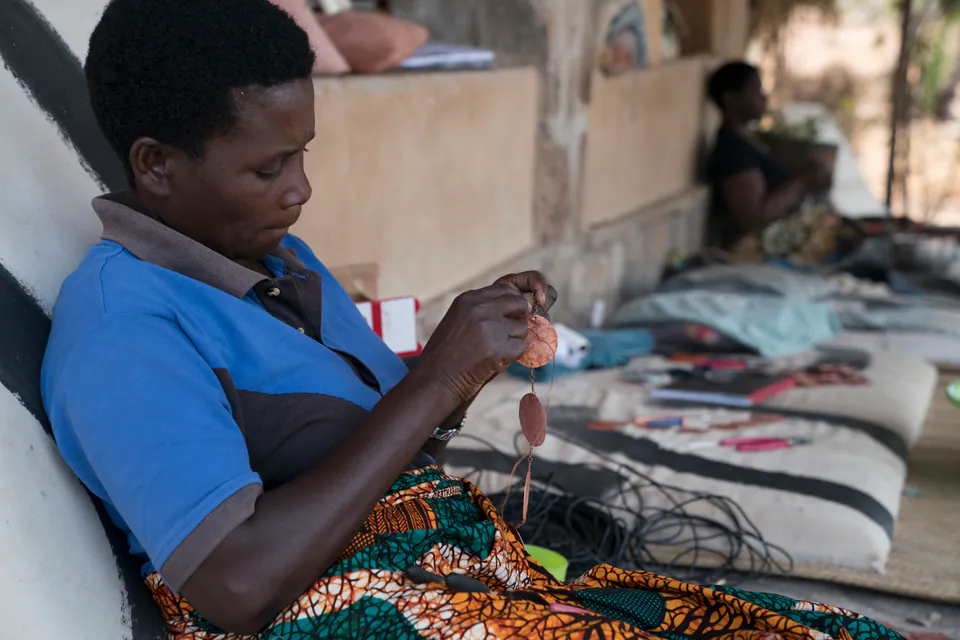
On the shore of Likoma, Katundu Workshop was founded in 2006 to give women artisanal training and a sustainable income. It employs a permanent team of 32 artists, about 75% of them women connected to the local orphan programme: single mothers and people caring for orphans.
The workshop cares about the products as well as the income. Ethical production, recycled and sustainable materials, and an emphasis on quality have produced a wide range of work.
The lake
Lake Malawi National Park has been a UNESCO World Heritage Site since 1984, recognised for its fish and for the beauty of the islands, clear water and Rift Valley escarpment.
Nowhere else have fish formed new species so quickly. Smithsonian wrote about the scientists diving Lake Malawi to understand why.
Tell us your dates and we will confirm what is free. You can also message us on WhatsApp.